
Home EV Charger Buying Guide: Speed, Installation and Vehicle Compatibility
A practical guide to choosing home EV charging equipment, checking compatibility, deciding between slower and faster charging, and planning a safe installation.

Home charging can make owning an electric vehicle more convenient, but the right equipment depends on the vehicle, the parking location and the electrical supply at the property. The fastest-looking charger is not automatically the best choice: the car must support the charging rate, the installation must be suitable, and the connector must match.
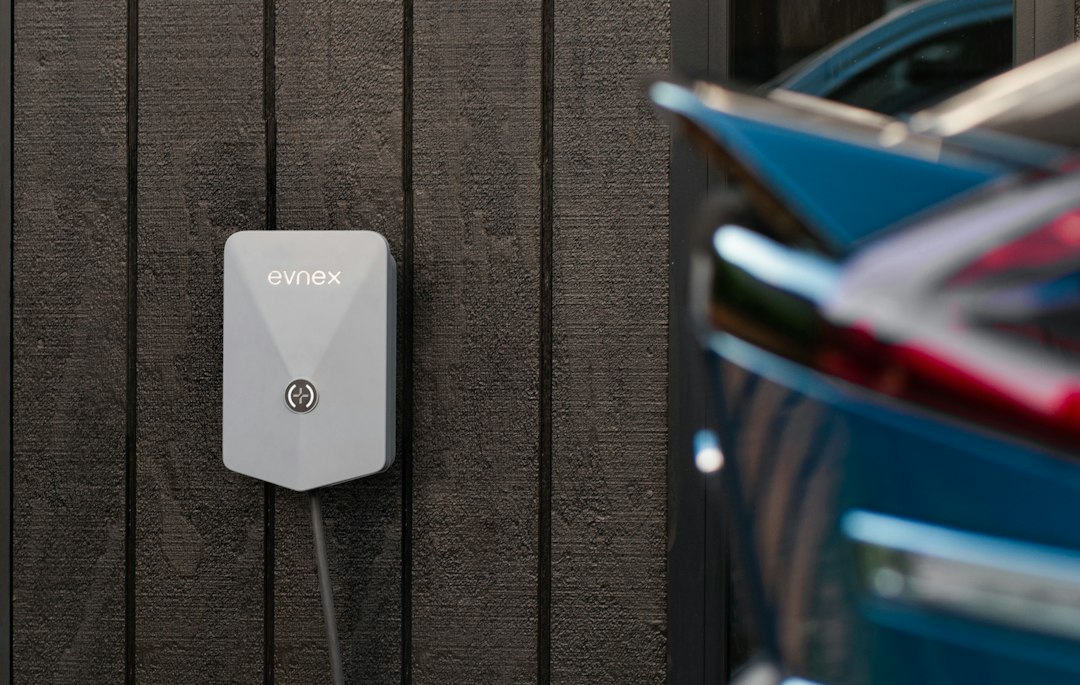
Start with the vehicle, not the charger advertisement
Check the exact vehicle year, trim and market version. Confirm its charging inlet, whether it supports AC charging only or both AC and DC, its maximum AC charging rate, and the cable supplied with the vehicle. A charger advertised at a high kilowatt rating cannot make a vehicle accept more power than its onboard charging system allows.
Do not assume two vehicles with similar names use the same inlet in every country. Imported EVs may have a different connector, voltage configuration or onboard charging specification from a regional version. Ask the seller for a clear photograph of the charging port and the manufacturer’s specification sheet before buying accessories.
Level 1 and Level 2 home charging
In markets that use these terms, Level 1 generally uses a lower-power AC supply and can be sufficient for drivers who cover shorter daily distances and leave the vehicle parked for long periods. Level 2 uses a higher-voltage AC supply and can replenish more energy during the same parking window. The U.S. Department of Energy explains that many drivers charge at home overnight using Level 1 or Level 2 equipment, and that a dedicated circuit and the property’s electrical capacity matter when planning an installation.
These labels and supply voltages are market-specific. Electrical systems, plugs, connector standards and building regulations differ by country. Use the vehicle manual and local electrical rules rather than copying a specification from another region.
Check the property before choosing a wallbox
- Electrical capacity: Ask a qualified electrician to check the available supply and whether a separate circuit or other work is required.
- Parking position: Measure the distance from the proposed charger to the vehicle’s charging inlet. Keep the cable away from walkways and vehicle tyres.
- Indoor or outdoor use: For an exposed location, select equipment specifically rated for that environment and install it as instructed.
- Shared buildings: Apartments and shared parking spaces may need landlord, building-management, utility or permit approval.
- Future vehicles: Consider whether a later vehicle may need a different connector or higher AC rate, but avoid paying for power the home or car cannot use.
The U.S. Alternative Fuels Data Center notes that some homes may need an electrical assessment or upgrade for Level 2 charging. Electrical Safety First advises using a registered, competent electrician trained to install EV charge points. These are useful safety principles; the specific installer registration and permit process depends on your location.
Smart features: useful, but not essential for everyone
Some wallboxes offer scheduled charging, energy monitoring, user access controls or load management. These features may help households with time-of-use tariffs, solar generation or multiple large electrical loads. Check whether the charger works with the home’s network and whether smart features require a subscription or an additional meter.
Do not assume a smart charger automatically reduces the bill. Savings depend on the electricity tariff, charging schedule, vehicle use and equipment costs. Compare the total installed cost, not just the hardware price.
Home EV charging checklist
- Confirm the exact vehicle inlet and its maximum AC charging rate.
- Check which charging cable or connector is supplied with the car.
- Ask an electrician to assess circuit capacity and the installation location.
- Check local building, utility and landlord requirements before work begins.
- Choose appropriately rated equipment from a reputable manufacturer.
- Get a written quote separating equipment, installation, permits and electrical upgrades.
- After installation, ask the electrician to explain safe cable storage and the fault procedure.
Explore electric vehicles at GradeZO
Browse the GradeZO Electric Cars category. One example is the UMEV New Energy electric mini-car listing. Its seller-provided details should be checked for the exact charging inlet, battery chemistry, charger supplied, approval documents and delivery terms before ordering.
Frequently asked questions
Do I need a Level 2 charger at home?
Not necessarily. A lower-power supply may meet daily driving needs when the car is parked for many hours. Compare your daily distance and parking time with the vehicle’s charging rate, then ask an electrician whether the existing circuit is suitable.
Can I install a home charger outdoors?
Outdoor installation is possible when the equipment is designed and rated for that location and is installed in line with the manual and local requirements.
Will a more powerful charger make every EV charge faster?
No. The vehicle’s onboard AC charger, the supply available at the property and the charging equipment all limit the rate. The effective rate is governed by the lowest applicable limit.
Sources and further reading
- U.S. Department of Energy: Charging Electric Vehicles at Home
- Electrical Safety First: Electrical Safety Advice for Electric Vehicles
Specifications and safety guidance can change, and electrical rules vary by market. Check the current vehicle manual and local requirements before buying or installing equipment.