
E-Bike Motor Power and Speed Labels: What Buyers Should Check Before Riding
Motor wattage, top speed and class labels can affect where an e-bike may be used. Learn what to verify before ordering.

An electric bike’s headline wattage and top speed do not tell the whole story. The motor rating, whether assistance requires pedalling, the assisted-speed cut-off and the rules in the place where you ride can affect whether a model is treated as a bicycle or a motor vehicle.
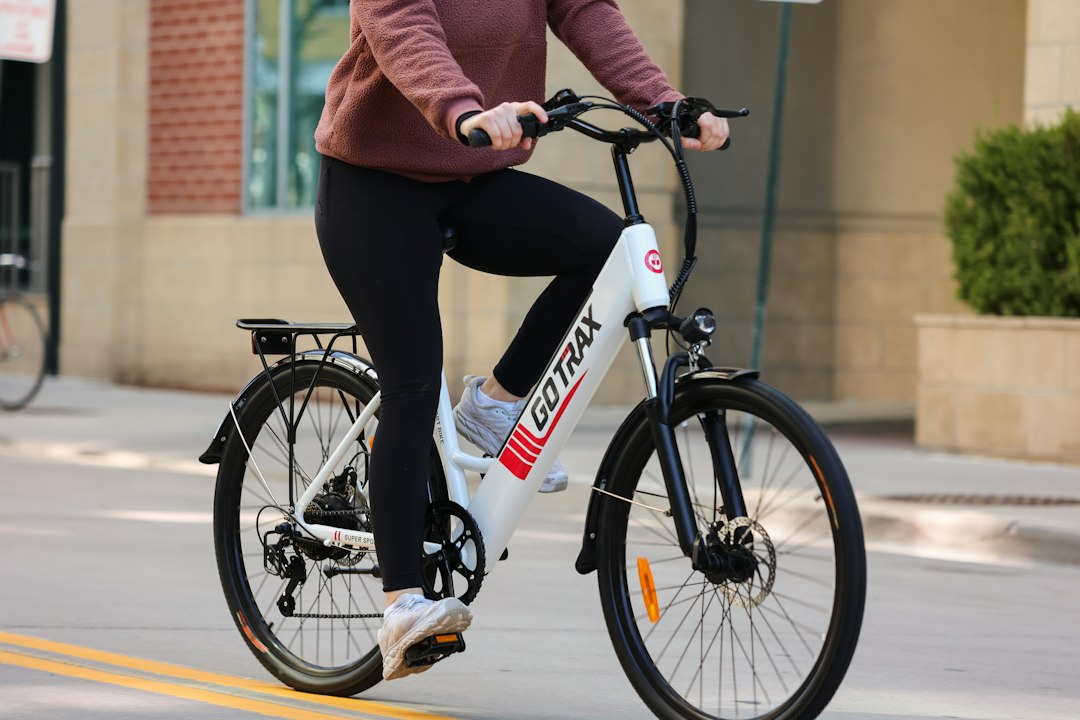
Understand the numbers on the product page
Look for the motor’s continuous rated power, peak or maximum power, the speed at which electrical assistance stops, and whether the bike has a throttle. These figures are not interchangeable. A listing that advertises a high peak wattage may not state the continuous rating used by local regulations.
Also check battery voltage and capacity, the type of pedal assistance, brake specification, wheel size, total permitted load and the manufacturer’s recommended rider height. Ask the seller for a nameplate photograph or technical document if key information is missing.
Rules are different in different markets
There is no single worldwide e-bike rule. In Great Britain, the government’s Electrically Assisted Pedal Cycle (EAPC) guidance says a qualifying bike must have pedals capable of propelling it, a motor with maximum continuous rated power no greater than 250W, and electrical assistance that cuts off at 15.5mph. Riders must be at least 14 years old to use a qualifying EAPC on public roads. A bike that falls outside the definition may be treated as a motor vehicle and subject to different approval, registration, tax, insurance and licence requirements.
In the United States, many states use a three-class framework. Broadly, Class 1 assistance is pedal-assist only and cuts off at 20mph; Class 2 adds a throttle and typically cuts off at 20mph; Class 3 is pedal-assist with a higher assistance cut-off, commonly 28mph. State and local rules can restrict where each class may be used, and the framework is not universal everywhere.
European EPAC guidance commonly refers to pedal assistance that stops around 25km/h and a maximum continuous rated power of 250W, but national rules and vehicle categories matter. Always check the law in the country, state or city where the bike will be ridden.
Why the label and the paperwork matter
A product title may use terms such as “1000W”, “fast”, “off-road” or “high-speed” for marketing. Ask what the number represents and whether the maker provides the documentation required for road use in your location. A bike may be appropriate for private land or a particular vehicle category without being legal to use as an ordinary pedal cycle on public roads.
For example, a GradeZO electric mountain-bike listing states a 1000W motor and a maximum speed of 50km/h. Those figures are seller-provided; the listing should not be assumed to qualify as a UK EAPC. A buyer in the UK should verify the continuous rated power, assistance cut-off, approval status and the correct vehicle category before using it on public roads. Other countries may apply different definitions.
Buyer checklist for an electric bike
- Request the manufacturer’s name, model number and technical specification sheet.
- Check continuous rated motor power, not only peak wattage.
- Confirm the assisted-speed cut-off and whether the throttle can propel the bike without pedalling.
- Check local age, helmet, registration, insurance and road-access requirements.
- Confirm the battery and charger are compatible with the exact bike model.
- Check brakes, tyres, frame load rating, lights and safety equipment.
- Keep the invoice, manual, serial number and conformity or approval documents.
Where can you ride?
Do not assume that a bike legal on a private track can automatically be used on a public road, footpath or cycle path. Access rules may differ by vehicle class, motor power, speed, land owner and local authority. If the bike is outside the ordinary e-bike definition, ask the relevant transport or vehicle-approval authority what process applies before riding it.
Browse electric bikes at GradeZO
Explore the GradeZO Electric Bikes category and compare the specifications of individual listings. Buyers looking for other electric mobility products can also browse Electric Motorbikes and Electric Cars.
Frequently asked questions
Is a 1000W e-bike legal on public roads?
It depends on the jurisdiction and the bike’s actual technical configuration and approval. In Great Britain, the EAPC category is limited to 250W maximum continuous rated power and assistance cut-off at 15.5mph. A higher-powered model may fall into a different vehicle category.
Is peak wattage the same as continuous rated power?
No. Peak power describes a short-duration output, while continuous rated power describes sustained output under specified conditions. Local legal definitions may refer to continuous rated power.
Do all e-bikes have the same speed limit?
No. Assistance cut-off rules and vehicle classes vary by country and sometimes by state or local authority. Check the rules for the place where the bike will be used.
Sources and further reading
- UK Government: Riding an electric bike—the rules
- UK Government: EAPC standards and legal requirements
- PeopleForBikes: E-bike class framework and riding considerations
This is general buyer information, not legal advice. Vehicle classifications can change, and the rules that apply to a specific bike depend on its approved configuration and where it is used.