
EV Charging Connector Guide: Type 1, Type 2, CCS, CHAdeMO, GB/T and NACS
A region-aware explanation of common EV charging plugs and the checks that help buyers avoid incompatible charging equipment.

Electric vehicles do not all use the same charging inlet. Connector standards can differ by region, vehicle manufacturer and whether the charging session uses AC or DC. Before buying an EV, wallbox, public-charging cable or adapter, identify the connector on the exact vehicle version you intend to use.
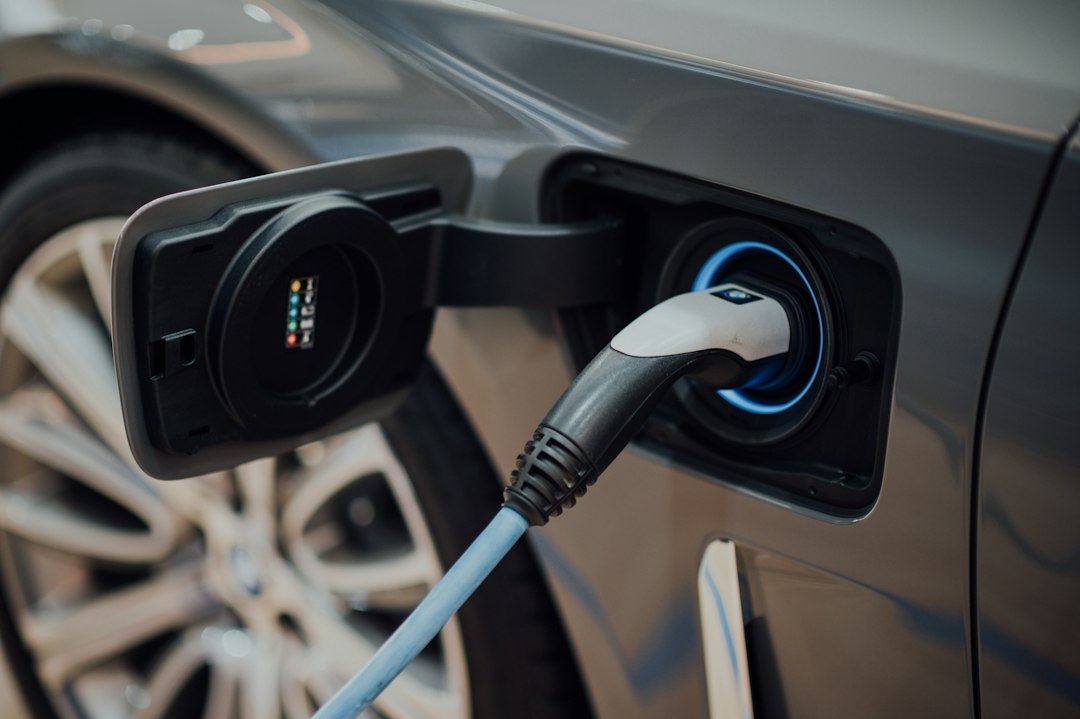
First distinguish AC charging from DC fast charging
AC charging is commonly used at home and at many destination chargers. The vehicle’s onboard charger converts AC power for the battery. DC fast charging supplies DC power through dedicated charging equipment and depends on the vehicle supporting that DC standard and rate.
The plug shape alone does not tell you the charging speed. The vehicle’s onboard charger, battery, temperature, state of charge, station output and communication between the vehicle and charger all affect the actual rate.
Common connector types
Type 1 (SAE J1772)
Type 1 is a single-phase AC connector found on many North American and some older imported vehicles. A Type 1 inlet is not the same as a CCS1 DC fast-charging inlet, even though CCS1 builds on the AC connector’s design with additional DC contacts.
Type 2
Type 2 is the common AC connector across much of Europe and several other markets. It supports single-phase and three-phase AC charging where the vehicle and supply support it. Check the car’s maximum AC charging power; a three-phase wallbox cannot make a single-phase onboard charger accept three-phase power.
CCS1 and CCS2
The Combined Charging System (CCS) integrates AC charging contacts with additional DC contacts in one vehicle inlet. CCS1 (Combo 1) is associated with North America, while CCS2 (Combo 2) is used in Europe and other markets. The charging station and vehicle must support the same compatible standard.
CHAdeMO
CHAdeMO is a separate DC fast-charging standard used by some vehicles, particularly certain Japanese models and older EVs. Do not assume a CCS-only station can charge a CHAdeMO vehicle without an appropriate compatible connector and station.
GB/T
GB/T charging standards are used for vehicles and charging infrastructure in China. Imported vehicles may retain their original regional charging interface. Check the exact vehicle specification and the country where it will be charged rather than assuming a Type 2 or CCS connector.
NACS / SAE J3400
The North American Charging Standard, standardised as SAE J3400, is based on Tesla’s connector design. It supports AC and DC charging through the same compact connector. The U.S. Joint Office of Energy and Transportation describes J3400 alongside CCS1 and CHAdeMO as one of the connector types used for fast charging in North America.
How to check compatibility before buying
- Confirm the market version: Request the exact year, trim, import market and charging-port photograph.
- Read the vehicle manual: Check supported AC and DC standards, maximum input rates and any regional restrictions.
- Check the station: Confirm that the station has the connector the vehicle can accept and that the power level is supported.
- Verify adapters: Use only an adapter approved by the vehicle or charger manufacturer for the specific charging direction and standard.
- Check the cable: Confirm both ends, current rating, condition and whether the cable is included with the vehicle or charger.
- Check network access: Some public stations require an app, account or payment method. Connector compatibility does not guarantee network or payment compatibility.
Why an adapter is not a universal solution
An adapter may solve a physical connector mismatch only when the vehicle, charger and adapter support the same electrical and communication requirements. Some adapters are designed for a specific direction or use case and must not be reversed. Never rely on a shape-matching plug, an unlabelled adapter or an unverified marketplace claim.
Ask the vehicle manufacturer or a qualified EV charging supplier to confirm the exact adapter compatibility. Incorrect combinations can fail to start, charge slowly or introduce safety risks.
Explore electric vehicles at GradeZO
Browse the GradeZO Electric Cars category and review each vehicle’s regional version, connector, onboard charging rate and documents before ordering. For other mobility options, explore Electric Bikes, Electric Buses and Electric Motorbikes.
Frequently asked questions
Is Type 2 the same as CCS2?
No. Type 2 is an AC connector. CCS2 adds two larger DC contacts below the Type 2 portion so one vehicle inlet can support both AC and DC charging when the vehicle is designed for it.
Can a Tesla/NACS vehicle use any CCS charger?
Compatibility depends on the vehicle, region, adapter and station. Check the vehicle manufacturer’s approved adapter list and the charging network’s support information for the exact model.
Will a 150kW charger charge every EV at 150kW?
No. The vehicle’s maximum DC charging rate, battery condition, temperature and state of charge all affect the rate. The station’s rated output is only one part of the system.
Sources and further reading
- U.S. Joint Office of Energy and Transportation: SAE J3400 Charging Connector
- CharIN: Combined Charging System and regional standards
- U.S. Department of Energy: Electric Vehicles for Consumers
Connector availability varies by vehicle and market. Confirm the exact configuration in the manufacturer manual before buying cables, adapters or charging equipment.