
Minimalist Wallet Buying Guide: Card Capacity, Materials and RFID Claims
Learn how to compare minimalist wallets by card capacity, dimensions, materials, access, durability and evidence behind RFID-blocking claims.

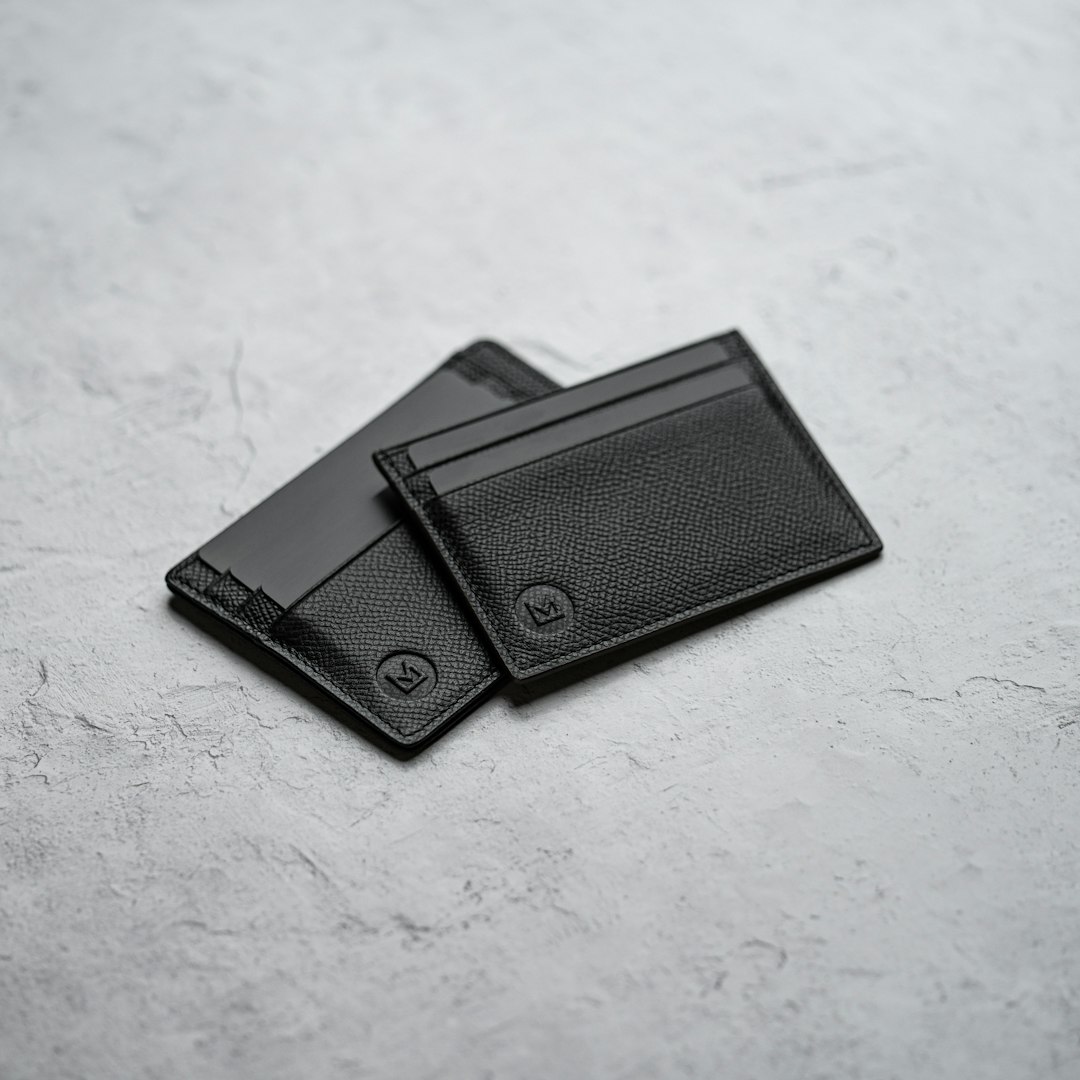
A minimalist wallet should carry everyday cards securely without creating unnecessary bulk. Product photos alone rarely show how it performs when fully loaded, so compare the measurable details.
Count the cards you actually carry
List essential payment, identification, access and transit cards. Choose a wallet that holds them without excessive stretching. A tightly packed holder can damage card edges or make the inner cards difficult to retrieve.
Check dimensions and pocket fit
Compare closed dimensions and thickness both empty and loaded. A front-pocket design may prioritise a small footprint, while a wallet with cash storage or an ID window will usually be larger.
Verify the materials
Terms such as “premium” do not identify the material. Ask whether the exterior is leather, synthetic leather, aluminium, stainless steel, fabric or a combination. For leather claims, request the specific leather type rather than assuming “genuine.”
Review access and retention
Cards should remain secure when the wallet is turned upside down but still be accessible. Check the closure, pull tab, ejector mechanism, money clip and ID window according to the selected design.
Evaluate RFID claims carefully
RFID-blocking performance can vary by frequency and construction. Ask which frequencies were tested and whether evidence is available. Not every identification or access card uses the same technology.
GradeZO example
The minimalist credit-card holder and pocket wallet is intended for compact everyday carry. Confirm its material, capacity, dimensions, closure and any RFID evidence before purchase.
Buyer checklist
- Loaded card capacity
- Closed dimensions and weight
- Verified material
- Secure retention and easy access
- Documented RFID performance